
Welcome to the Canadian real estate landscape! Whether you’re a newcomer looking for your first home, a lifelong resident planning to buy, or an investor seeking opportunities, understanding the vast and varied housing options available is the critical first step. The choice you make will impact your budget, lifestyle, and long-term goals for years to come. From the spacious independence of a detached house in the suburbs to the amenity-rich convenience of a downtown condo, Canada offers a home for every dream.
This guide is designed to be your definitive resource. We will walk you through every prevalent type of housing in Canada, breaking down the terminology, characteristics, pros, and cons of each. Our goal is to empower you with the knowledge to navigate the market with confidence and find the perfect place to call home.
Understanding Core Canadian Housing Terminology
Before we explore specific house types, let’s clarify a few essential terms you’ll encounter on your real estate journey.
- Freehold Ownership: This is the most complete form of ownership. When you own a property freehold, you own both the building and the land it sits on, giving you full control (within municipal bylaws). Detached and most semi-detached houses are freehold.
- Condominium (or Strata) Ownership: This involves owning your individual unit’s interior space while sharing ownership and financial responsibility for the common areas (hallways, lobby, roof, grounds, amenities). In British Columbia, this is commonly called “Strata.”
- Land Lease: In this model, you own the physical house or structure, but you lease the land it sits on from a landowner for a monthly fee. This is common in mobile home parks and some cottage communities.
- Homeowners Association (HOA) / Condo Corporation: These are the governing bodies for condominium and some townhouse communities. They collect fees to manage, maintain, and repair the common property and enforce a set of bylaws that all residents must follow.
Single-Family Residential Options: Privacy and Independence
These homes are defined by their separation from others, offering a traditional sense of ownership and personal space.
Detached Houses
- Description: A standalone residential building on its own exclusive plot of land. It’s the quintessential Canadian “house with a yard.”
- Key Features: No shared walls, private front and back yards, full freehold ownership of both land and structure.
- Pros:
- Ultimate Privacy: Complete separation from neighbours means minimal noise transfer and maximum personal space.
- Freedom for Customization: You have unrestricted ability to renovate, landscape, and personalize the property inside and out (within city bylaws).
- Strong Investment Potential: Historically, detached homes—and the land they sit on—have shown the most robust appreciation in value over the long term.
- Cons:
- Highest Cost: As the premium housing option, detached homes command the highest prices, especially in major urban centres.
- Full Maintenance Responsibility: You are solely accountable for all upkeep, from mowing the lawn and shovelling snow to repairing the roof and servicing the furnace.
- Higher Operating Costs: Larger spaces generally mean higher bills for heating, cooling, and property taxes.
- Best For: Growing families, individuals who prioritize privacy and outdoor space, and those with a long-term investment horizon.
Read More: Best Places To Buy Real Estate in Canada
Semi-Detached Houses
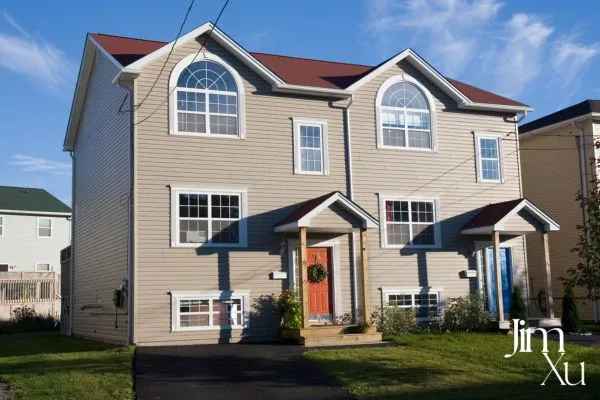
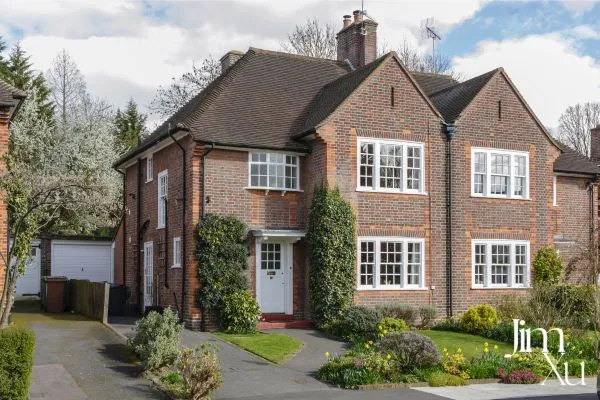
- Description: A single building divided vertically into two distinct homes, sharing one common wall. Each home has its own private entrance and its own title of ownership.
- Key Features: One shared “party wall,” individual freehold ownership, and often a private, albeit smaller, yard.
- Pros:
- More Affordable: Offers a more accessible entry point into the freehold market compared to a detached house, often in the same desirable neighbourhoods.
- Good Balance of Privacy and Space: You still get a private yard and significant separation from neighbours, with only one shared wall.
- Sense of Individuality: It feels more like a traditional house than a townhouse or condo.
- Cons:
- Potential for Noise: Some noise transfer can occur through the shared wall, depending on the quality of construction.
- Shared Upkeep: You may need to coordinate with your neighbour for maintenance on shared elements like the roof or fence.
- Best For: First-time homebuyers, young families, and anyone seeking a balance between the affordability of an attached home and the privacy of a detached one.

Attached & Multi-Unit Residential Options: Community and Efficiency
These options offer more affordable and often lower-maintenance ways to live, typically in denser urban or suburban settings.
Townhouses (Row Houses)
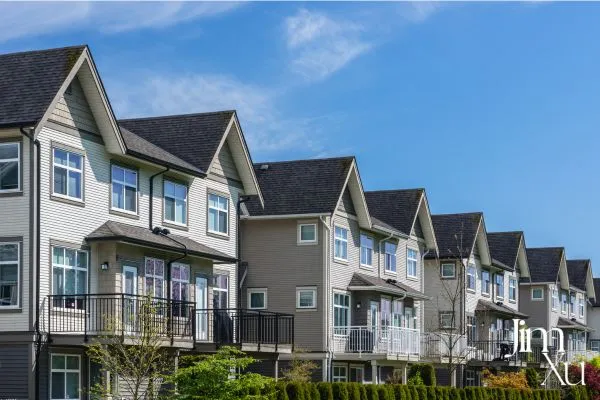
- Description: Multi-story homes built in a row, sharing one or two vertical walls with adjacent units. They have their own private entrance and often a small front or back patio/yard.
- Key Features: Can be either freehold (you own the small plot of land) or condominium (you own the unit and share the common property).
- Pros:
- Greater Affordability: A popular “missing middle” option that is more budget-friendly than semi-detached homes.
- Reduced Maintenance: If it’s a condo townhouse, exterior maintenance like roofing and landscaping is handled by the condo corporation.
- Community Amenities: Many developments feature shared parks, playgrounds, or pools.
- Cons:
- Less Privacy: With neighbours on one or both sides, the potential for noise is higher.
- Condo/HOA Fees: If part of a corporation, you’ll have monthly fees for maintenance.
- Limited Outdoor Space: Yards are typically small or may just be a patio.
- Best For: First-time buyers, small families, and downsizers who want a house-like feel with fewer maintenance responsibilities.
Read More: Buying a Duplex
Condominiums (Condos)
- Description: An individually owned unit within a larger building or complex. Owners hold the title to their specific unit and share ownership of common areas, which are managed by a condo/strata corporation.
- Key Features: Range from high-rise apartment-style units to low-rise buildings; mandatory monthly fees for upkeep and amenities.
- Pros:
- Entry-Level Affordability: Often the most affordable path to homeownership in Canada’s expensive urban centres.
- Low Personal Maintenance: A “lock and leave” lifestyle where all exterior maintenance, snow removal, and landscaping are handled for you.
- Access to Amenities: Many buildings offer incredible perks like gyms, pools, party rooms, security, and concierge services.
- Cons:
- Monthly Condo Fees: These can be substantial and tend to increase over time to cover maintenance, utilities, and contributions to the reserve fund.
- Rules and Regulations: You must abide by the condo bylaws, which can restrict everything from pets to renovations and balcony decorations.
- Less Space & Privacy: Units are generally smaller, and you share walls, floors, and ceilings with neighbours.
- Best For: Young professionals, singles, couples, seniors/downsizers, and anyone who values an amenity-rich, low-maintenance urban lifestyle.
Duplexes, Triplexes, and Fourplexes
- Description: A single building designed and divided into two (duplex), three (triplex), or four (fourplex) separate, self-contained residential units. The entire building is typically owned by one person who may live in one unit and rent out the others.
- Key Features: Multiple independent units under one roof, often with separate entrances and utility meters.
- Pros:
- Significant Income Potential: A fantastic investment where rental income from the other units can cover a large portion—or all—of your mortgage payment. This is often called a “mortgage helper.”
- Good Investment Entry: An excellent way to become a landlord and real estate investor while also securing your own housing.
- Cons:
- Tenant Management: You become a landlord, which involves screening tenants, collecting rent, handling complaints, and managing vacancies.
- Property Upkeep: You are responsible for the maintenance and repairs for the entire building.
- Best For: Savvy real estate investors, homebuyers looking for a “mortgage helper,” and multi-generational families.
Basement Apartments
- Description: A self-contained apartment located in the lower level of a larger house, with its own separate entrance.
- Key Features: Often one of the most affordable rental options in a given neighbourhood.
- Pros:
- High Affordability: Generally offers much lower rent compared to above-ground apartments or houses.
- Located in Residential Neighbourhoods: Allows renters to live in established, quiet communities they might not otherwise afford.
- Cons:
- Limited Natural Light: Being below ground means smaller windows and less sunlight.
- Potential for Noise: You can often hear noise from the occupants living upstairs.
- Legal and Safety Concerns: It’s crucial for renters to verify that the unit is a legal dwelling that meets municipal fire code and safety standards, including proper ceiling height and egress windows.
- Best For: Students, single individuals, newcomers on a budget, and anyone seeking affordable rent in a good location.
Read more: Advantages of owning a home
Unique and Alternative Housing Solutions
Beyond the traditional, Canada’s housing market includes a variety of innovative and niche options.
Mobile Homes (Manufactured Homes)
- Description: Homes built entirely in a factory and then transported to a site. They are most often located in mobile home parks where the resident owns the home but leases the land.
- Pros:
- Exceptional Affordability: One of the least expensive ways to achieve homeownership.
- Community Atmosphere: Parks often foster a close-knit, community-oriented environment.
- Lower Property Taxes: Since you don’t own the land, your property taxes are significantly lower.
- Cons:
- Depreciation: Unlike traditional real estate, mobile homes on leased land can depreciate in value over time.
- Land Lease Fees: You must pay a monthly fee to rent the land, and these fees can increase.
- Best For: Budget-conscious buyers, seniors, and those who prioritize community over long-term equity growth.
Laneway Houses / Garden Suites
- Description: Small, detached, independent homes built in the backyard of a larger, primary house. Increasingly popular in cities like Vancouver and Toronto to add density.
- Pros:
- Income Generation: A great source of rental income for the main property owner.
- Multi-Generational Living: Perfect for keeping family members (like aging parents or adult children) close but independent.
- Unique Urban Living: Offers a private, modern, house-like experience in a dense urban neighbourhood.
- Cons:
- Zoning and Bylaw Hurdles: Building a laneway house is complex and strictly regulated by municipal bylaws.
- High Construction Costs: The initial investment to build one can be substantial.
- Best For: Homeowners in cities with supportive zoning who are looking to generate rental income or accommodate family.
Essential Factors to Consider When Choosing a Home in Canada
Your perfect home is a balance of these critical factors:
- Budget and Finances: Look beyond the purchase price. Factor in property taxes, condo fees, utilities, and a realistic budget (1-3% of the home’s value annually) for maintenance and repairs.
- Location: Consider your commute, proximity to schools, public transit, grocery stores, parks, and healthcare. Does the neighbourhood’s vibe fit your personality?
- Lifestyle and Family Needs: How much space do you truly need? How important is a private yard? Do you prefer the quiet of the suburbs or the energy of the city?
- Future Plans: How long do you plan to live there? If it’s less than 5-7 years, the high transaction costs of buying and selling might make renting a better financial choice.
Conclusion: Finding Your Place in Canada
Canada’s diverse housing market truly offers something for everyone. The journey to finding the perfect home is a deeply personal one, reflecting your unique lifestyle, budget, and dreams. By understanding the distinct advantages and challenges of each housing type—from the independence of a detached home to the community of a co-op—you are now empowered to navigate this landscape with clarity and confidence.
This guide is your foundation. The next step is to explore the neighbourhoods you love and connect with a trusted professional. The team of Canadian real estate experts at jimxu is ready to help you take that next step, providing invaluable insights to lead you to the ideal place to call home.
Frequently Asked Questions (FAQ)
What is the typical down payment required for different types of houses in Canada?
In Canada, the minimum down payment is tiered: 5% on the first $500,000 of the purchase price, and 10% on the portion of the price between $500,000 and $1,000,000. For homes over $1 million, the minimum down payment is 20%. If your down payment is less than 20%, you must also pay for mortgage default insurance (e.g., from CMHC). This rule applies to all ownership types (detached, condo, townhouse, etc.).
How do property taxes vary across different housing types and provinces in Canada?
Property taxes are set at the municipal level and are based on the assessed value of your property. Generally, a detached house will have higher property taxes than a condo of the same market value because the assessment for the house includes a larger, exclusive plot of land. Rates and assessment methods vary significantly between provinces and cities.
Are there specific government programs for first-time homebuyers in Canada based on the type of house?
Most federal programs, such as the RRSP Home Buyers’ Plan (HBP) and the Home Buyers’ Amount tax credit, are available to first-time buyers regardless of the type of home they purchase. Some provincial or municipal programs may have specific criteria, but generally, these incentives apply broadly to help Canadians enter the market.
What are the common challenges newcomers face when seeking housing in Canada?
Newcomers often face several hurdles: a lack of a Canadian credit history, which can make securing a mortgage or rental lease difficult; unfamiliarity with local real estate laws and processes; and intense competition in major rental markets. Overcoming these often involves working with a real estate agent who specializes in helping newcomers, providing larger security deposits for rentals, and using services that help build a Canadian credit history.
How does the resale value typically compare between a condo and a detached house over a 10-year period in major Canadian cities?
Over a long period, detached houses have historically appreciated more in value than condos. This is primarily because a significant portion of a detached home’s value is in the land, which is a finite and highly desirable asset. While well-located condos in high-demand urban centres also see strong appreciation, they generally do not match the long-term growth of land ownership.