

For aspiring homeowners, the journey to property ownership is filled with exciting possibilities and critical decisions. Perhaps the most fundamental choice you’ll face is the great homeownership debate: condo vs. house. This isn’t just a question of walls and a roof; it’s a decision that will shape your lifestyle, finances, and future for years to come. Both condominiums and single-family houses offer unique benefits and distinct responsibilities, and the “right” answer is different for everyone.
This definitive guide is designed to move beyond surface-level comparisons. We will equip you with a deep understanding of each property type, providing a structured framework to help you make an informed, confident decision that aligns perfectly with your unique situation. Armed with this knowledge, you are ready to confidently take the next step towards finding the home that perfectly suits your life.
Understanding the Basics: What Defines Each Property Type?
Before diving into the pros and cons, it’s essential to understand the fundamental definitions of a condo and a house. While they both provide a place to call home, their legal structures and ownership models are vastly different.
What is a Condominium (Condo)?
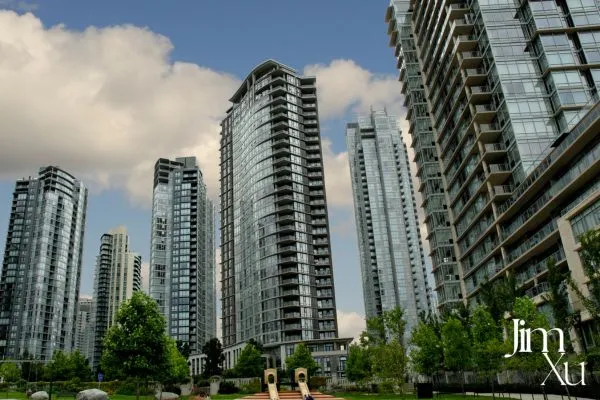
A condominium, or condo, is a privately owned individual unit within a larger community of other units. When you buy a condo, you own the interior space of your unit—from the walls in. However, all the common areas, such as hallways, elevators, the building exterior, swimming pools, and land, are owned collectively by all the residents. This collective is managed by a Homeowners Association (HOA), which sets rules and collects fees to maintain these shared spaces. Condos come in many forms, including:
- High-rise and mid-rise buildings: Common in urban centers.
- Low-rise buildings: Often found in suburban areas.
- Townhome-style condos: A hybrid that feels like a house but operates under condo rules.
Also see: Single Family House in Vancouver
What is a Single-Family House?
A single-family house is a standalone, detached residential property that sits on its own piece of land. When you buy a house, you have exclusive ownership of both the structure itself and the land it occupies (this is often referred to as “fee simple” ownership). This model provides complete autonomy over your property, from the interior design to the exterior landscaping, subject only to municipal zoning laws. While most think of the classic detached home, this category can also include semi-detached houses that share one common wall with a neighbor.
The Core Differences: Condo Vs House – A Detailed Comparison
Understanding the nuances between these two property types is key to making the right choice. Below is a comprehensive breakdown of the eight core differences that will impact your finances, lifestyle, and responsibilities.
1. Ownership Structure and Legalities
- Condo: Your ownership is twofold: you own the interior of your unit, and you own a shared, undivided interest in the common elements. Your rights and obligations are governed by a master deed and the HOA’s bylaws, which function as the community’s constitution.
- House: You have full ownership of the land and the structure. Your property boundaries are clearly defined, and you hold the title to the entire property, giving you complete legal control within the bounds of local laws.
2. Maintenance and Responsibilities
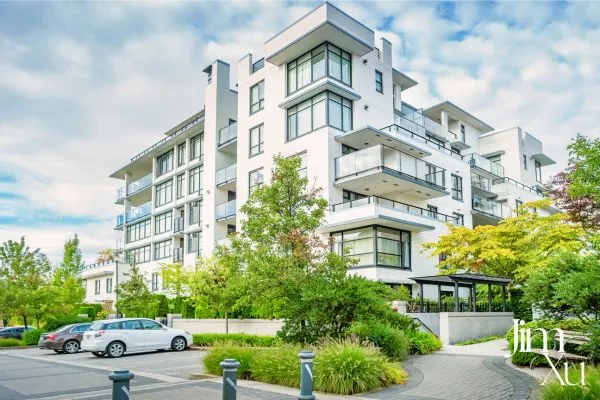
- Condo: This is a major selling point for many. The HOA is responsible for all exterior maintenance. This includes roof repairs, landscaping, snow removal, and upkeep of common areas. Your responsibility is limited to the interior of your unit. This low-maintenance lifestyle is funded by your monthly HOA fees.
- House: As the sole owner, you are responsible for everything. This includes all interior and exterior maintenance, from fixing a leaky roof and mowing the lawn to replacing the furnace and dealing with pest control. This requires both time and a dedicated maintenance fund.
3. Privacy and Space
- Condo: You will share walls, floors, or ceilings with your neighbors, leading to less privacy and the potential for noise transfer. While you have your private unit, common areas like lobbies, gyms, and outdoor spaces are shared.
- House: A detached house offers maximum privacy. You have no shared walls and typically have a private yard, providing a buffer between you and your neighbors. This solitude and personal space is a primary driver for many homebuyers.
Also see: Condos in Burnaby
4. Amenities and Lifestyle
- Condo: Condo living often comes with access to a suite of shared amenities that would be prohibitively expensive for an individual homeowner. These can include swimming pools, fitness centers, clubhouses, tennis courts, and security services. This fosters a community-oriented, convenient lifestyle.
- House: Any amenities you desire, such as a pool or a large patio, must be built and maintained on your own property at your own expense. The lifestyle is centered around private enjoyment and full control over your personal space.
5. Financial Considerations and Costs
- Purchase Price: Generally, condos offer a lower entry point into the housing market, making them a more affordable option, especially for first-time homebuyers or those in expensive urban areas.
- Monthly Costs: The breakdown is different.
- Condo: Your monthly outlay includes your mortgage, property taxes, and a mandatory HOA fee. This fee can sometimes include utilities like water or trash removal. You may also face “special assessments” for unexpected major repairs.
- House: You are responsible for your mortgage, property taxes, all individual utility bills, and homeowner’s insurance. Crucially, you must also budget for ongoing maintenance and future repairs (a common rule of thumb is saving 1-3% of the home’s value annually).
6. Potential for Appreciation and Investment
- Condo: Condo appreciation can be more volatile and is heavily tied to the desirability of the specific building, the financial health of the HOA, and demand for a low-maintenance lifestyle. They can be excellent rental investments due to lower purchase prices and high demand in urban areas.
- House: Historically, single-family homes tend to appreciate more consistently and at a faster rate than condos. This is largely because you own the land, which is a finite and appreciating asset. The potential for a better long-term return on investment is a significant advantage.

Read More: Top neighborhoods in Vancouver
7. Rules, Regulations, and Freedom
- Condo: Life in a condo is governed by the HOA’s rules and regulations. These can dictate everything from pet ownership (size or breed restrictions) and noise levels to the type of window coverings you can use and whether you can rent out your unit. Major interior renovations often require board approval.
- House: Owning a house offers near-complete freedom. You have the autonomy to renovate, landscape, paint your front door any color you wish, and use your property as you see fit, within the confines of municipal bylaws.
8. Insurance Needs
- Condo: You need an HO6 insurance policy, often called “walls-in” coverage. This covers your personal belongings and the interior of your unit (drywall, flooring, fixtures). The building’s exterior and common areas are covered by the HOA’s master insurance policy.
- House: You need a more comprehensive HO3 or HO5 policy. This covers the entire dwelling structure, your personal property, and liability. Because you are insuring the entire structure, these policies are typically more expensive than condo insurance.
The Decision Matrix: Which is Right For You?
To find clarity, evaluate your personal priorities against the distinct characteristics of each property type. This self-evaluation will guide you to the best choice for your life stage and goals.
Choose a Condo if…
- You prioritize a low-maintenance lifestyle. The idea of outsourcing landscaping, snow removal, and exterior repairs is highly appealing.
- You value access to shared amenities. You want a gym, pool, or clubhouse without the personal expense and upkeep.
- You are comfortable with community living. You don’t mind living in close proximity to others and agree to follow community-wide HOA regulations.
- Budget and security are high priorities. You’re looking for a more affordable entry into homeownership and value features like controlled access and on-site security.
- You desire an urban or walkable lifestyle. You want to be close to work, dining, and entertainment, and don’t need a large private yard.

Choose a House if…
- You desire maximum privacy and personal space. Solitude and a clear buffer from your neighbors are non-negotiable.
- You want a private yard. You dream of gardening, having a safe place for kids or pets to play, or hosting backyard barbecues.
- You seek complete freedom for customization. You want total control over renovations, landscaping, and how you express yourself through your property.
- You are prepared for full maintenance responsibility. You are comfortable with, or even enjoy, the hands-on work and financial planning required for home upkeep.
- Long-term appreciation is a key investment goal. You are focused on the historically stronger and more stable appreciation that comes with owning land.
Read More: First time homebuyer tips
Beyond the Binary: Other Considerations
The choice isn’t always a stark contrast between a high-rise condo and a suburban detached house. Consider these other factors:
- Townhouses: Often a perfect middle ground, townhouses can offer a private yard and more space than a condo, but with shared walls and often an HOA that manages some exterior elements.
- Market Dynamics: Current real estate trends can play a role. In a market with high interest rates, the lower price point of a condo might be more attainable. A shortage of family-sized homes might make a house a more competitive investment.
- Your Future Plans: Think about where you see yourself in 5-10 years. Are you planning to grow your family? Are you nearing retirement and looking to downsize? Your long-term goals should heavily influence your decision today.
Conclusion: Your Informed Path to Homeownership
To begin this journey, the most impactful first step is to connect with a professional real estate expert at jimxu. Our team can tailor these strategies to your unique property and local Canadian market to ensure a fast and profitable sale.
Read More: Difference Between Townhouse And Condo
Frequently Asked Questions (FAQ)
How do special assessments in condos typically work, and what recourse do owners have?
A special assessment is a fee levied on all condo owners to cover a major, unexpected expense that the HOA’s reserve fund cannot handle (e.g., a complete roof replacement or emergency boiler repair). The HOA board proposes the assessment, which is then typically voted on by homeowners. Recourse for owners who disagree is limited but can include voicing concerns at board meetings, reviewing the HOA’s financial statements to ensure necessity, and, in extreme cases, consulting a real estate attorney to challenge the assessment’s validity or process.
What are the potential tax implications for condo owners compared to house owners?
For primary residences, tax implications are very similar. Both condo and house owners can typically deduct mortgage interest and property taxes. The key difference is that standard HOA fees for a primary residence condo are generally not tax-deductible. However, if the property is used as a rental investment, both the HOA fees for the condo and the full maintenance costs for the house can usually be deducted as business expenses.
Can I rent out my condo for short-term rentals (e.g., Airbnb)?
This is highly dependent on two factors: your HOA’s bylaws and local municipal regulations. Many HOAs have strict rules that either completely ban short-term rentals or impose significant restrictions (e.g., minimum lease terms of 30 days or more) to maintain community stability and security. Always review the HOA documents thoroughly before purchasing if you intend to use the property for short-term rentals.
What are insurance considerations for a house in a flood zone compared to a condo?
If a house is in a designated flood zone, the owner will need to purchase a separate flood insurance policy, as standard homeowner’s insurance (HO3) does not cover flood damage. For a condo, the situation is more complex. The condo owner’s personal HO6 policy does not cover the building. You must verify if the HOA’s master policy includes flood insurance for the building’s structure and common areas. If it doesn’t, the entire community could face a massive special assessment for repairs after a flood.
How does the resale value of a condo compare to a house in different environments?
In a rapidly developing urban area, condos can have excellent resale value and may even appreciate faster than houses in the short term due to high demand for walkability, amenities, and a low-maintenance lifestyle. Conversely, in a sprawling suburban environment, houses typically have a stronger and more stable resale value over the long term, as the primary driver of appreciation is the land itself, which is more plentiful and desirable in those areas for families seeking space.